About
Why we started this.
The Slate was created around a simple idea: good short films shouldn't have to wait for the right grant, investor, or studio to say yes.
Each film remains its own project, led by its filmmakers. What connects them is the way they're financed, the community behind them, and an audience that can discover the next film through the last.
Why it exists
The usual way to finance a short film is to apply for something and then wait: a grant, a broadcaster, a development fund. Very few people are doing the deciding, the timelines run long, and none of them ever have to answer for whether anybody wanted to watch the film.
We skipped all of that with The Cage and asked people directly instead, which raised about $14,000 from nothing. It was made with union actors and finished at the same Toronto facilities that work on studio features, and it's showing at festivals now.
The Slate does that again, on purpose, and more than once. Each film arrives with its own director and their own circle of people. What we add is everything we learned doing it the first time, and a list of supporters that carries over, so the fourth film starts somewhere better than the first one did.
Founders
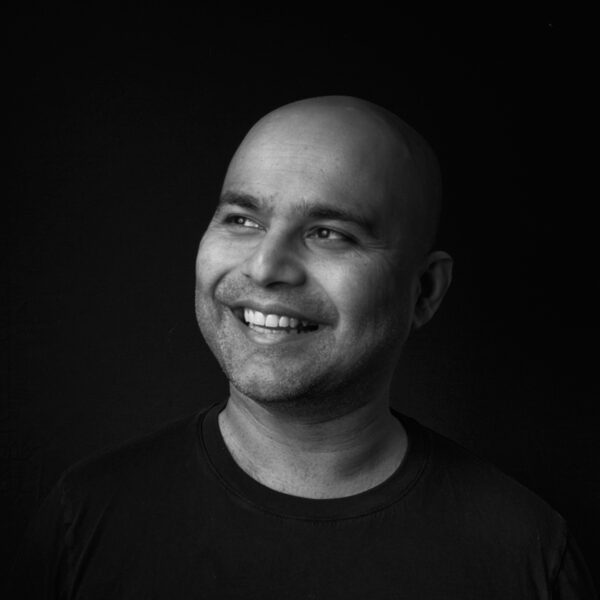
Raj Bandyopadhyay
Raj is a Toronto-based queer South Asian filmmaker whose work explores how cycles of trauma, manipulation and conditioning perpetuate themselves across relationships, generations and systems.
With a PhD in computer science and a decade building AI products at startups in San Francisco, he came to filmmaking through portrait photography and training as a somatic relationship coach. He studied filmmaking at George Brown College.
He wrote and co-directed The Cage and built the fundraising side underneath it: the campaign, the donor emails, the list, the festival plan. The Slate is that same work, done again and for other people's films.

Natalia Nahon
Natalia is a Venezuelan creative director working in Toronto, where she builds brands and the pitches that sell them.
She backed The Cage early and followed it through production, post and its festival run, which is where the argument for The Slate started: the hard part was never making the film, it was finding the people who wanted it made.
She is writing and directing Memoria, and leads how The Slate presents itself and grows the audience every film on the slate draws from.
If you're making something you'd want on this slate, or you want to help one of these films get made, tell us.